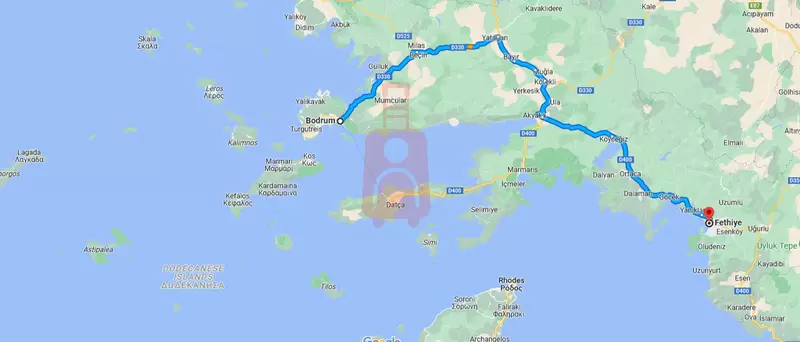
ベイリクドゥズで最も人気のある 10 ビーチ
21-01-2025 00:10
Turkeys culture is a vibrant tapestry woven from its rich history, geographical position bridging East and West, and diverse ethnic influences. Visitors can experience a profound blend of ancient Anatolian heritage, Ottoman grandeur, and modern Turkish identity, manifested in its hospitable people, culinary delights, traditional arts, and deeply rooted customs. This category explores the multifaceted cultural landscape, offering insights into its unique character and how to engage respectfully.
Turkish culture represents a captivating fusion of influences spanning millennia. Situated at the crossroads of civilizations, Turkey's heritage is shaped by Hittite, Greek, Roman, Byzantine, Seljuk, and Ottoman empires, resulting in a rich mosaic of traditions. This deep historical layering is evident in everything from its language and cuisine to its architecture and social customs. Hospitality, respect for elders, and a strong sense of community are central tenets of Turkish society, often experienced through shared meals and spirited conversations.
Expect warmth and genuine hospitality. Turks often offer tea or coffee as a sign of welcome. When visiting religious sites, modest dress is appropriate; women may need to cover their heads. Removing shoes before entering homes or mosques is customary. Public displays of affection are generally discreet. Bargaining is common in bazaars but always done respectfully. Learning a few basic Turkish phrases like "Merhaba" (hello) and "Teşekkür ederim" (thank you) is greatly appreciated.
Spring (April-May) and Autumn (September-October) offer ideal weather for exploring cultural sites and participating in outdoor events. Many cultural festivals, such as the International Istanbul Film Festival or the Mevlana Whirling Dervishes Festival in December, occur throughout the year. Researching specific events can enhance your cultural journey.
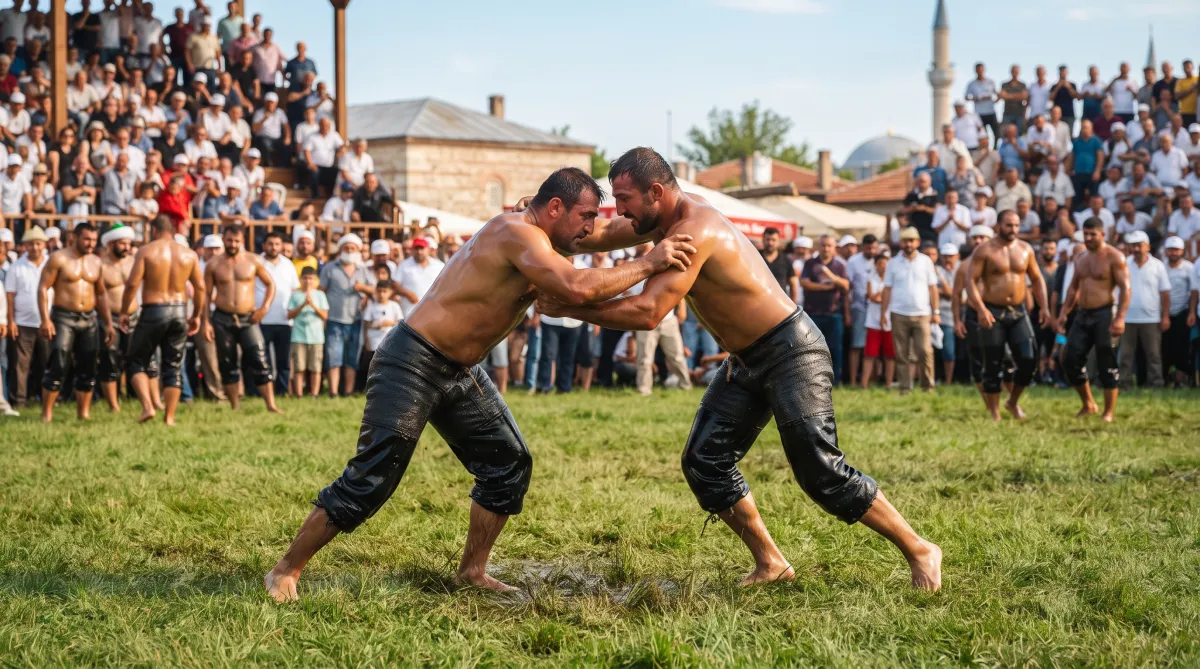
トルコは多様な歴史と文化遺産を反映する豊かな祭りや伝統を誇ります。古代の儀式や宗教的な祭典から、活気ある現代アートや音楽イベントまで、これらの行事は訪問者にトルコ社会の核心への深い洞察を提供します。地元の祝祭に参加することで、年間を通じて国のホスピタリティ、芸術表現、そして根深い習慣を知る本物の体験ができます。
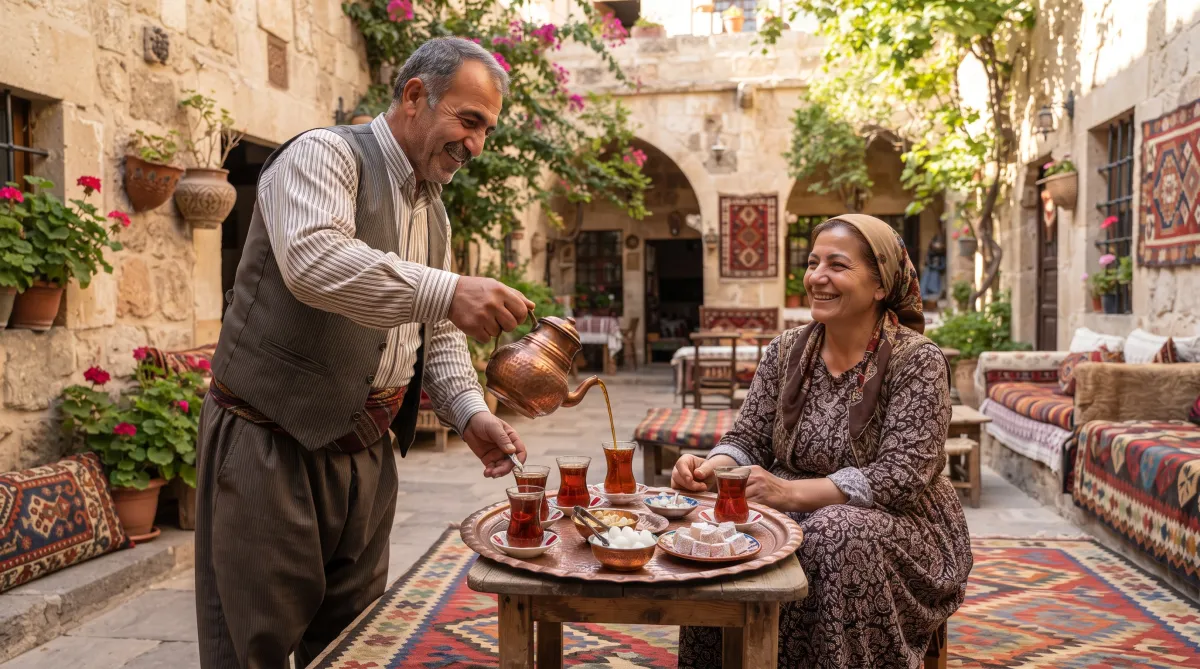
トルコの現地習慣とエチケットを理解することは、旅行体験を豊かにします。トルコ文化は、おもてなし、尊敬、伝統を大切にします。挨拶の仕方から食事の習慣、適切な服装まで、現地の慣習を少し知るだけで、現地の人々との交流が大幅に改善され、良好な関係を築くことができます。このガイドは、社会的な状況を尊重して乗り切るための重要なヒントを提供します。